
Lalla-Vakyani, or The Wise Sayings of Lal Ded by Sir George Grierson and Lionel D. Barnett

Lal Ded's verses as an old reciter from the village of Gush spoke them in 1914. Grierson and Barnett's edition gives the Kashmiri, an English translation, notes and a full word list.
If the book does not appear here (some phones can’t show PDFs inside a page), use Open full screen or Download PDF.
About this book
How do you edit a poet who never wrote anything down? Sir George Grierson, the great surveyor of India’s languages, asked his old friend Pandit Mukunda Rama Shastri to find him a good manuscript of Lal Ded’s sayings. There wasn’t one. What the Pandit found instead was an old man, Dharma-dasa Darwesh of the village of Gush, who recited Lalla’s verses for a living, exactly as they had come down in his family. So the Pandit sat and wrote while the old man spoke. That dictation is the text of this book.
Grierson trusted it. Memory, he argued, can be more reliable than paper: “Such fleshy tables of the heart are often more trustworthy than birch-bark or paper manuscripts.” He and Lionel Barnett got it out through the Royal Asiatic Society in 1920. There are 109 verses. You get the Kashmiri spelt out in our alphabet, an old Sanskrit version if there is one, Grierson’s English, and notes. A word list fills the back pages, handy if you’re learning.
The translations are a bit stiff (“Then, lo, saw I in mine own house a learned man”) but faithful, and the notes on Kashmir Shaivism and on the language are solid. The introduction sums up the legends about Lalla with nice scepticism: “none of them is deserving of literal credence”.
Start with verse 3, the famous one about searching everywhere and finding the teacher at home. Then just read on.

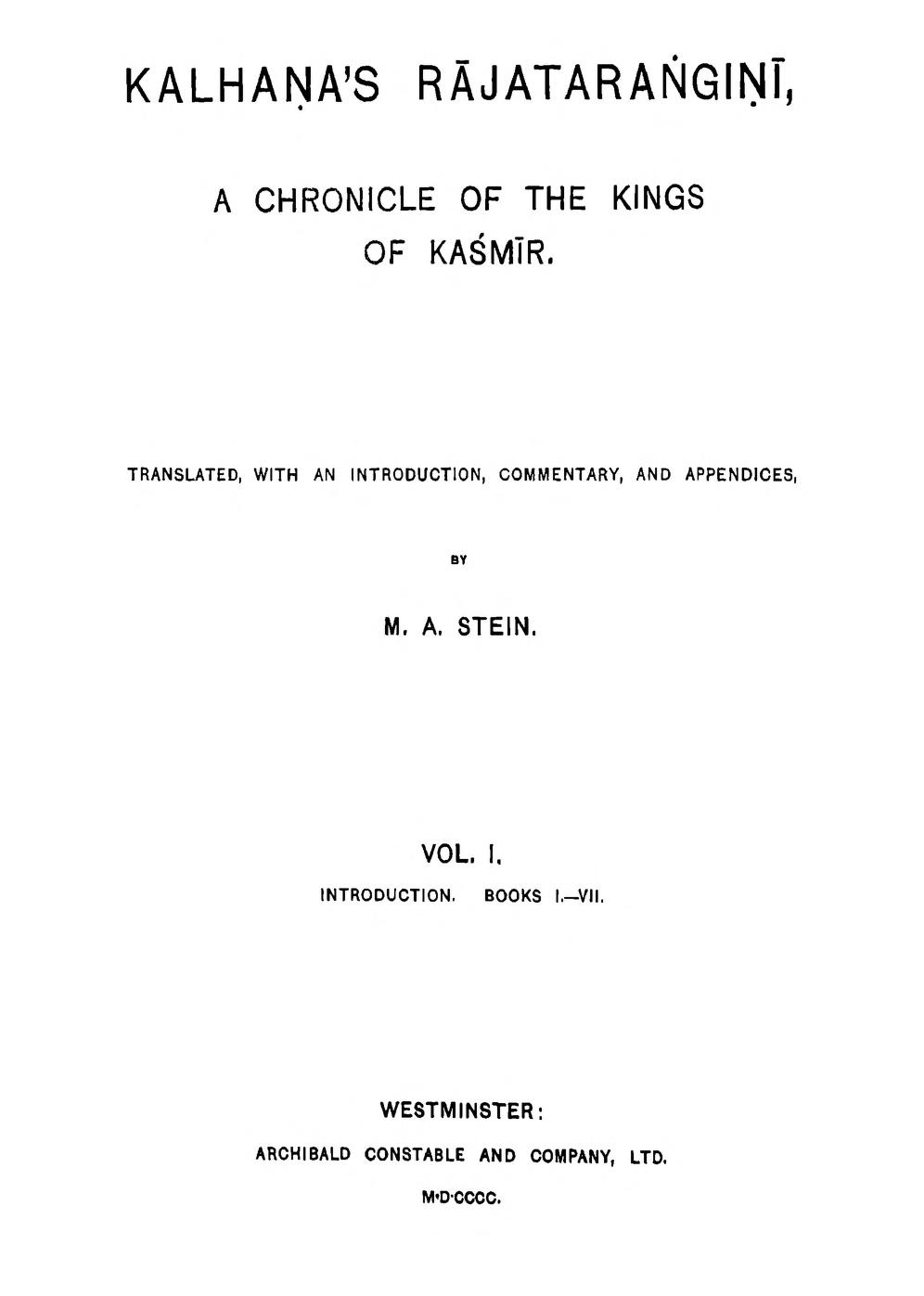
You May Also Like
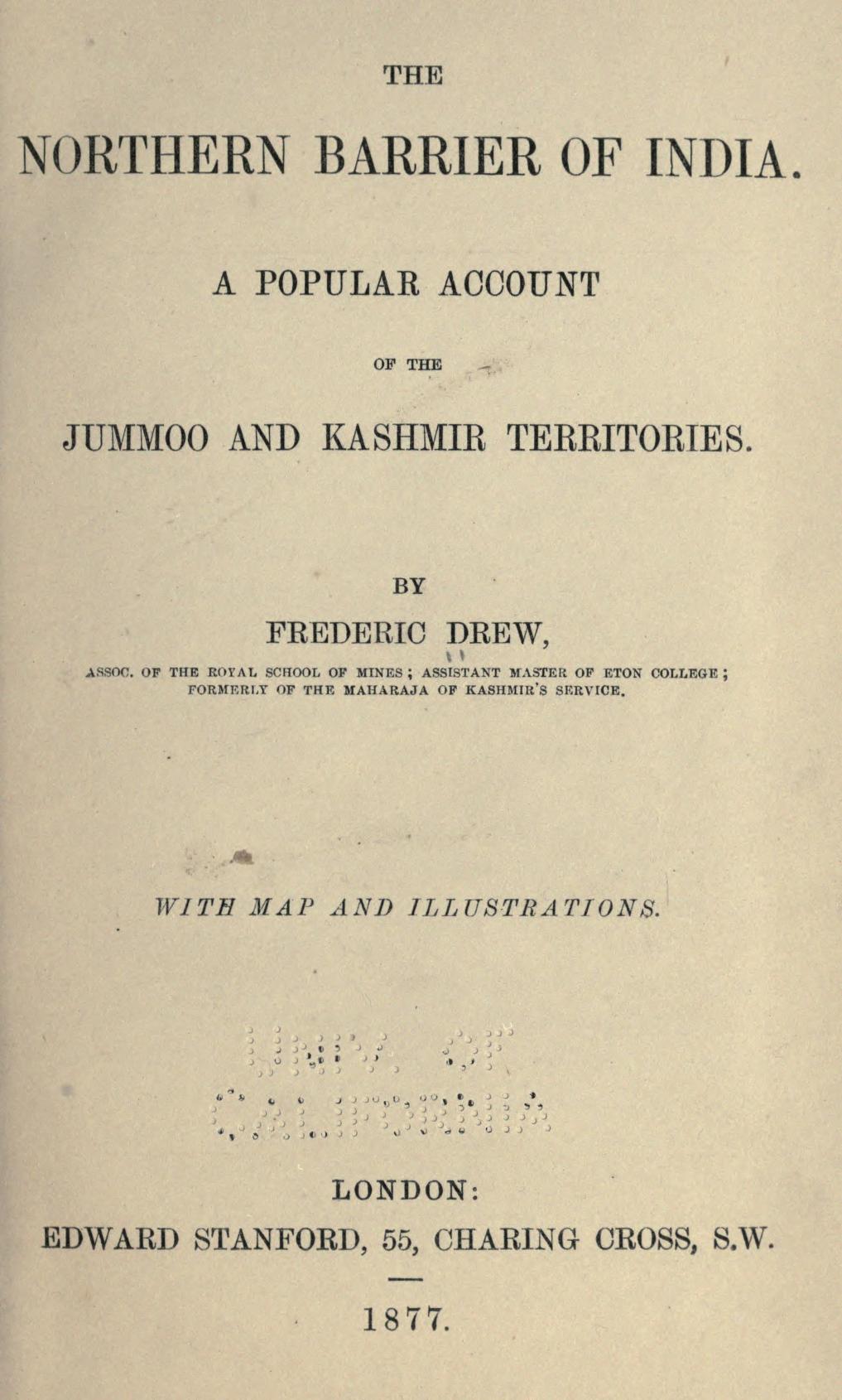
The Northern Barrier of India: A Popular Account of the Jummoo and Kashmir Territories by Frederic Drew

Afoot Through the Kashmir Valleys by Marion Doughty
